


Welcome to ICMR-NICHR
A healthier future for every child through science and innovation.
Focus
Integrating research, policy, and practice for child health
Vision
To be the pre-eminent institute in South Asia for child health research, shaping national and regional policy through visionary research leadership.
ICMR National Institute of Child Health Research (ICMR-NICHR)
Every year, about 26 million children are born in India. The country has made significant progress in child survival over the past decade: from 2015 to 2024, under-five mortality decreased from 48 to 27 per 1,000 live births, and neonatal mortality dropped from 28 to 17 (UN IGME Report 2025), a rate of reduction that exceeds both the South Asian and the global average. India has been recognized as a global exemplar for accelerating child mortality reduction.
India's success in reducing child mortality now brings a different set of challenges into focus. Neonatal conditions account for nearly three-fourths of all infant deaths (Sample Registration System 2024), and undernutrition and anemia continue to affect millions of children. At the same time, emerging challenges such as childhood obesity, adolescent mental health conditions, antimicrobial resistance, and the health effects of air pollution and climate change demand new research approaches. The ICMR National Institute of Child Health Research (ICMR-NICHR) was established to generate the evidence needed to address these challenges across the continuum from the perinatal period to adolescence, and to translate research into policies and practices that improve outcomes for every child.
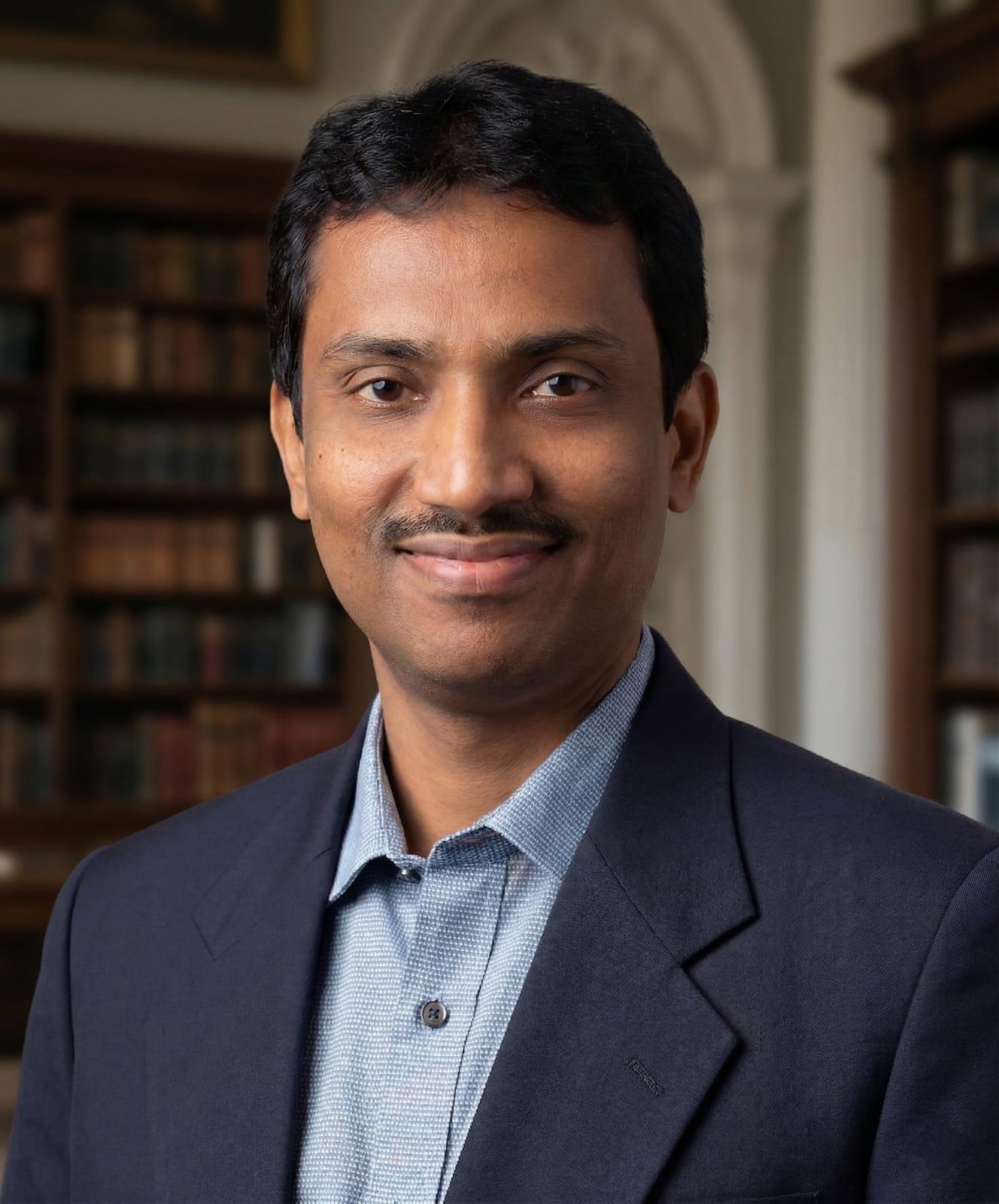
From The Director's Desk
India has achieved significant progress in child survival over the past decade. According to the UN IGME 2025 report, under-five mortality in India declined from 48 to 27 per 1,000 live births between 2015 and 2024, while neonatal mortality decreased from 28 to 17. Since 2015, the decline in under-five mortality in India has outpaced the average reduction seen in South Asia and globally.
With these gains, however, come new priorities that demand attention. The Sample Registration System 2024 reveals that nearly three-quarters of infant deaths in India now happen during the neonatal period, emphasizing the need for more in-depth research on prematurity, infection, and care in the earliest days of life. Undernutrition and anemia still affect many children, while emerging challenges like childhood obesity, antimicrobial resistance, psychosocial well-being of children and adolescents, and the impact of digital environments on adolescent health are becoming increasingly important.
Meeting these challenges requires more than just expanding existing programs. It calls for high-quality research that is scientifically sound, context-specific, and relevant to policy and practice in India. ICMR-NICHR has been created to generate this evidence across the entire spectrum from the perinatal period to adolescence, building on the scientific legacy of the former National Institute of Pathology (NIP).
As a new institute, we have much to build, from laboratories and cohorts to training programs and partnerships. Our purpose, however, is clear: to produce research that improves child health outcomes and informs action at scale. I invite researchers, clinicians, students, and partners to join us in this endeavour.
Gallery